A human shield for systemic failures
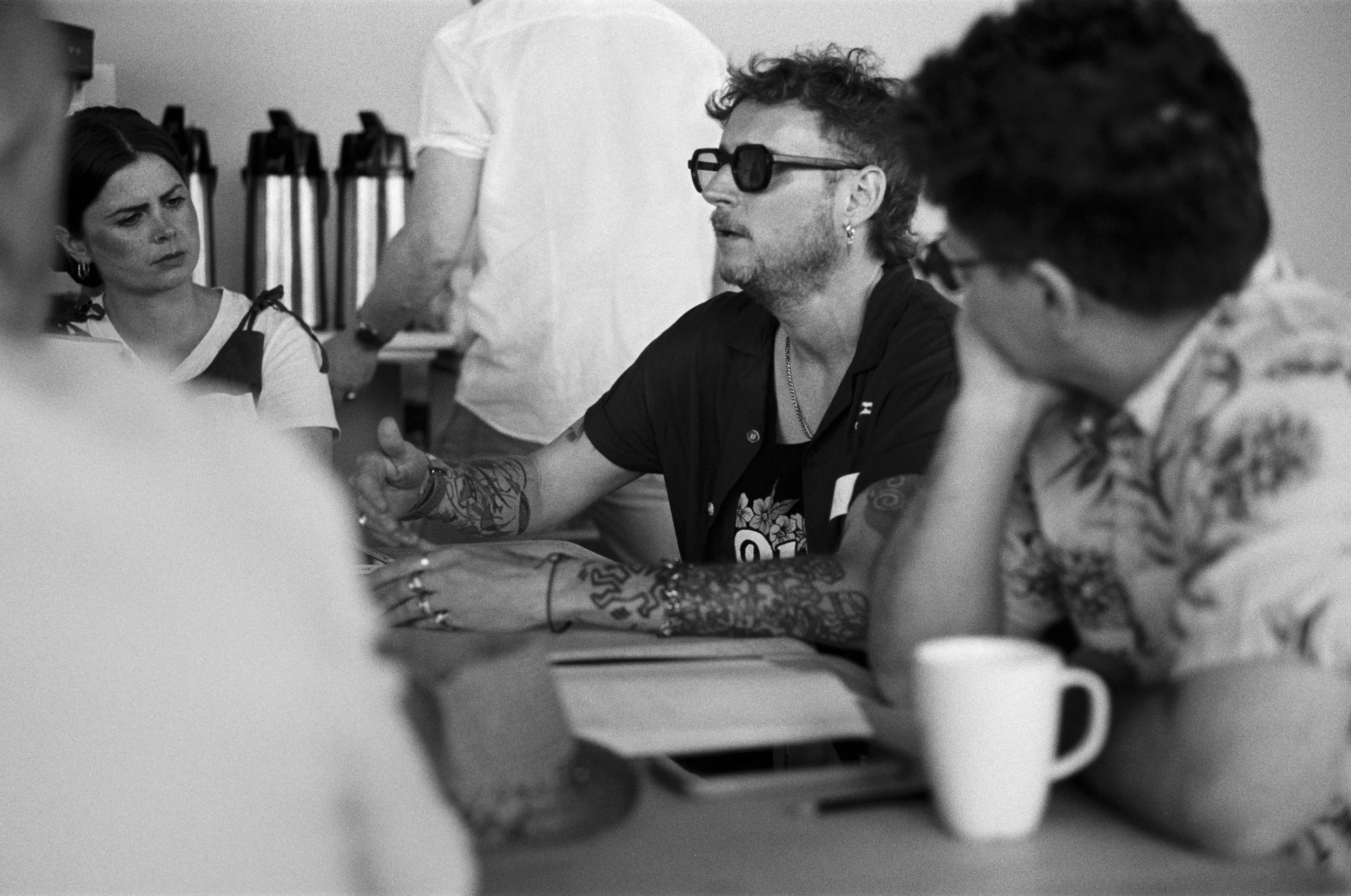
On the 1st of July I arranged a workshop on ethical lived experience and storytelling in Brighton. The workshop itself is Darren McGarvey’s not mine. I was there to host the event as part of Class Divide and bring a room full of people together. I'd been wanting to bring it to the city since March, when I saw him deliver it in Durham. A few days later I sent him this message:
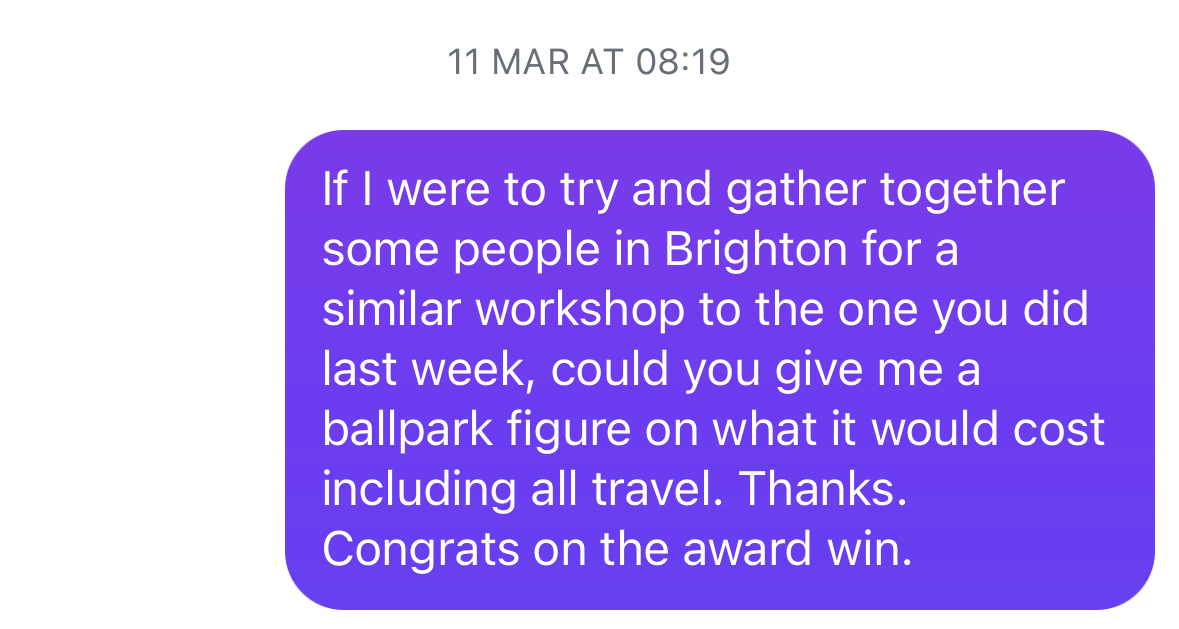
And so here we were, four months later. I'd got coffee ready for 30 people and stood looking out at the view from Brighton Youth Club, right across the city, with that particular kind of nervousness you get before a party. Would anyone show up? Would they get something out of the day? Would it be too much for some people in the room?
To get everyone into that room I'd put a call out to organisations across Brighton to co-fund the day, and they came together, not just to pay for their own places but to cover free ones for people who couldn't afford it. People started to arrive. Some I knew from my work in Brighton, some had travelled from London and Birmingham. Then Darren turned up, and it was time to begin.
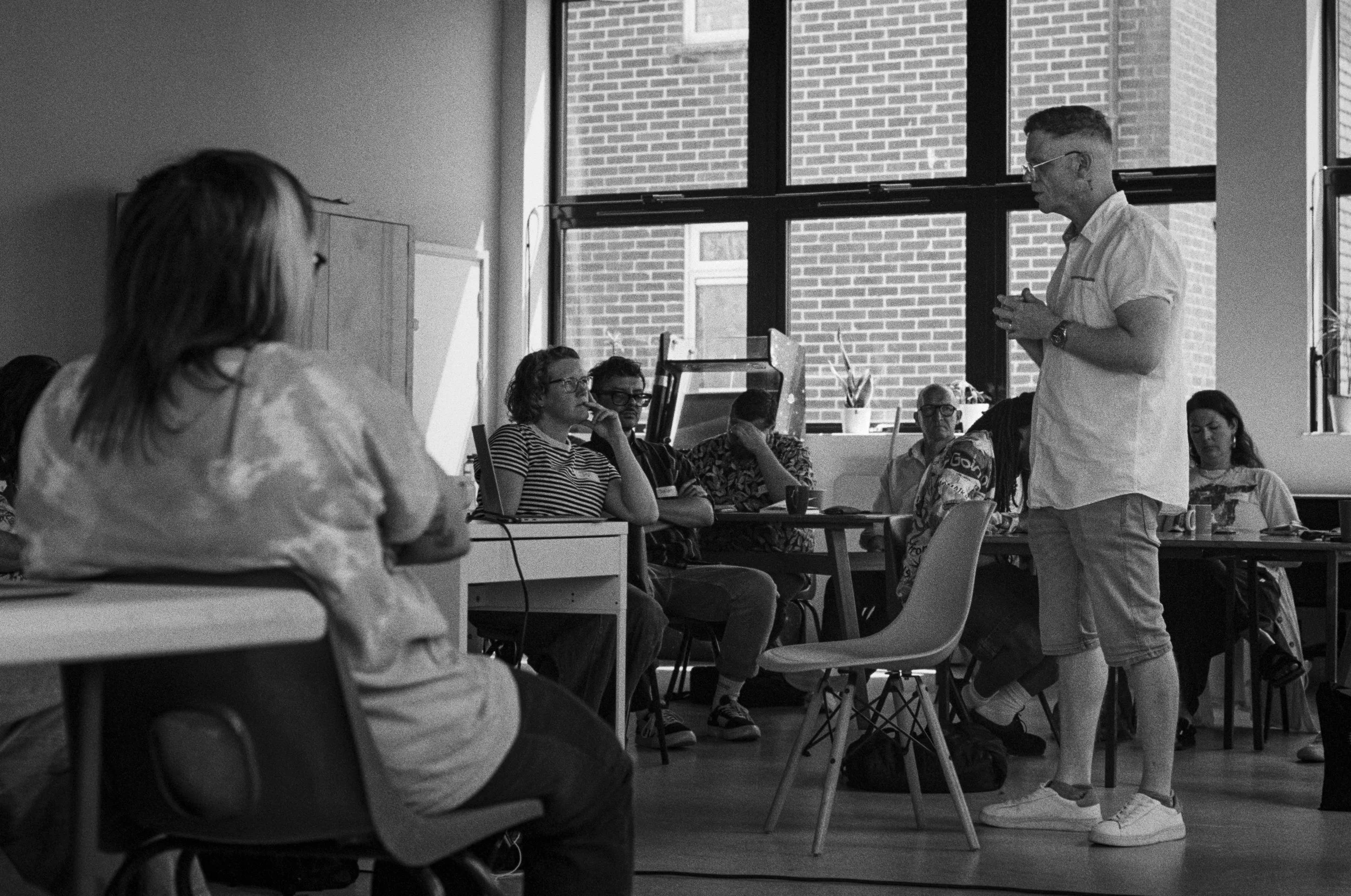
That spark back in March came from a deep place of care and frustration. Care for the city I grew up in, and for it being the best it can be. Frustration at a system that, to me, prioritises short-term, project-based work disconnected from what a community actually needs. Lived experience and storytelling now touch most of what we call community work, whether it's telling a funder the story of what happened, or a council trying to understand why something isn't working. 'Lived experience' and 'experts by experience' are common parlance in the third sector. I thought Darren’s latest work might shed some useful light on all of this in Brighton.
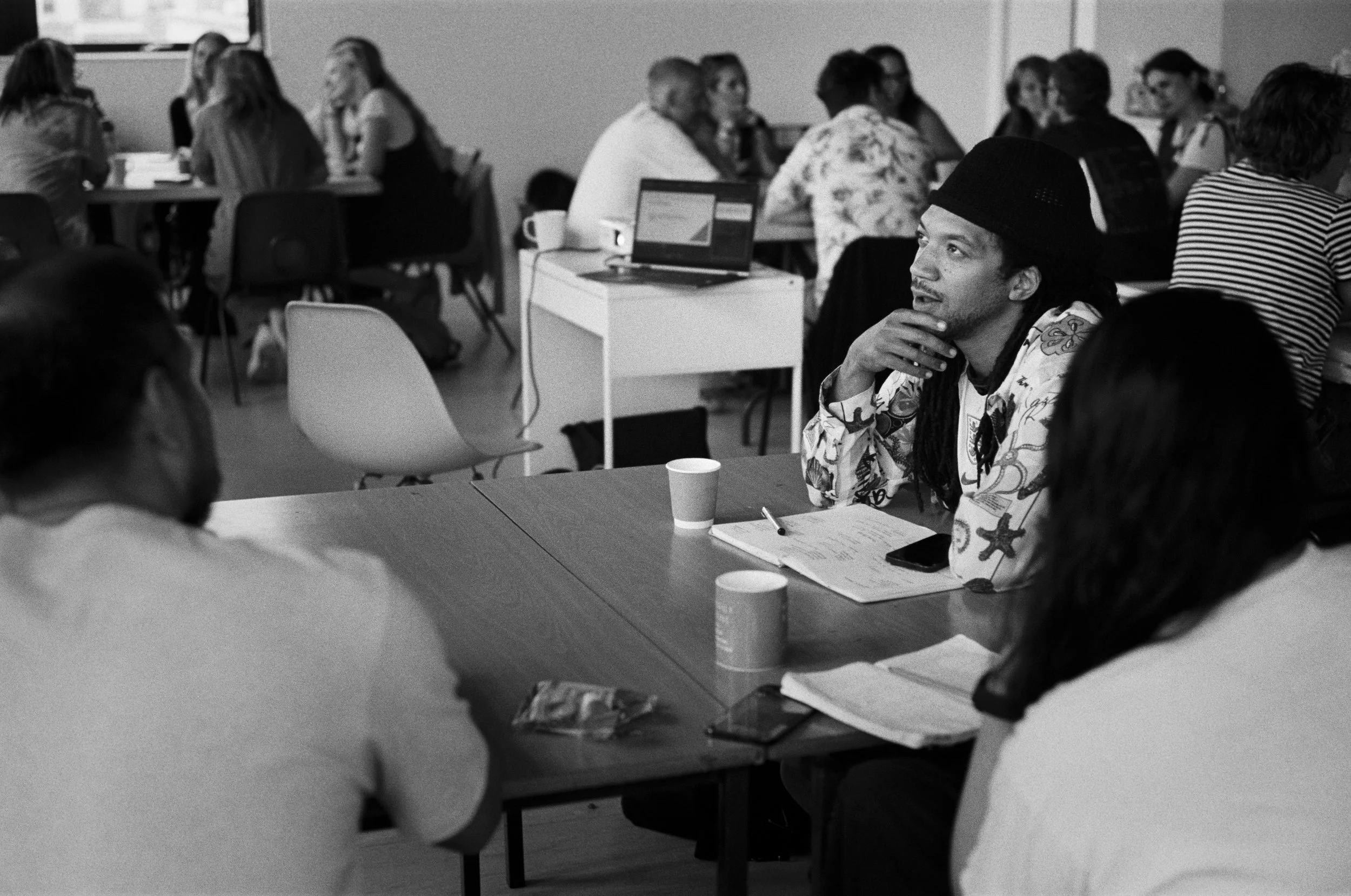
We all have lived experience. But the phrase has come to mean people with trauma in their past, or from minority or under-represented groups. I see it all the time, and I've lived it. Invited into rooms, faced with people hungry for my council estate stories, always the only one not being paid. And I'll be honest: I do often need some kind of recognition for what I've done, people share their stories for all sorts of reasons and that's one of mine. As Darren asked in the workshop, wouldn't it be good to be recognised and cherished for something other than the things that happened to you, many of them out of your control?
I filled pages of my notebook that day. A few thoughts I keep coming back to.
Lived experience and story shouldn't be used to make something look the way funders or people in power want it to look; the moment it does, the work is broken.
A person is more than their 'extreme lived experience'.
And one that's been nagging at me for years: what about the lived experience of the so-called professionals? I'm more interested in that, and it's almost always missing from the conversation.
One thing that came up on the day but doesn’t get talked about enough is that people with lived experience are cherished while they stay inside the boundaries organisations draw for them. Stray beyond your allotted expertise, start asking about the bigger stuff, funding, power, who gets to decide where the money is going, who's getting paid and how much, and suddenly you're seen in a rather less favourable light.
I'll admit I spend a fair bit of time moaning about what's wrong. I've been known to rant. Ask my partner. And honestly, I'm tired of being in that mode. It reminds me of the approach I took on the Class Divide podcast, where I decided the target audience would be more advantaged people. I couldn't just attack them for their privilege, I had to find a way to tell stories about inequality in education that might make some of them sit up and think: we need to change this.
So the other thing I've taken from Darren's workshop and his recent book is that it might be time to move from conflict to healing, because I can't be in attack mode the majority of the time. My next big podcast project is going to be digging into the history of community development across the country. It’s going to need me to take a same care and attention I applied to the Class Divide podcast.
A week later, two of Darren's own lines have stayed pinned in my head. "Don't let lived experience be a human shield for systemic failures." And "Being quiet is an act of self-care." I’ve now got the second one on my wall.
If you're wrestling with any of this in your own work, whether you're the one whose story keeps getting asked for or the one doing the asking, I'd like to hear from you. I'm trying to find the other people who care about doing lived experience and storytelling honestly.
A few thank yous.
This workshop only happened because people came together. Once Darren agreed, organisations across Brighton co-funded the day, paying for their own places and for free ones for people who couldn't afford a ticket. As host, I took feeding and looking after everyone seriously: the brilliant Skylark kept us supplied with coffee, and Sussex Surplus fed us a delicious curry and cake. My brother Simon and Carlie Goldsmith (my fellow co-founder of Class Divide) also assisted on the day. Thank you, all of you.